
News
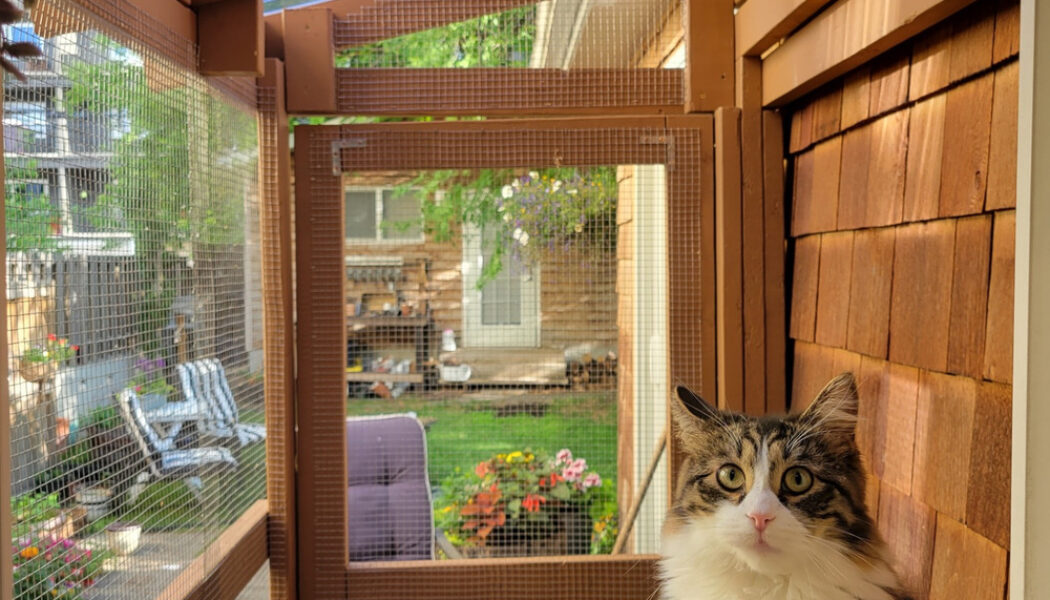

Safe outdoor time for indoor cats: a practical guide for owners
If you share your home with an indoor cat, you have probably seen it: the cat sitting at the window, watching birds, or waiting by the door when you come home. Some owners wonder whether to let them out, and if so, how to do it safely. There is no single right answer. Outdoor time can enrich an indoor cat’s life, but it is not suitable or necessary for every cat. This guide looks at the options honestly, including their limits, so you can decide what fits your cat. First, does your cat actually want to go out? Not every indoor cat is asking for outdoor time. Some are perfectly content indoors, with climbing shelves, window perches, play sessions and quiet resting places. A cat that sleeps soundly, plays, eats well and shows no frustration at doors and windows may not need anything mo...


Worms in cats: symptoms, treatment and how to prevent them
A cat can have intestinal worms and appear perfectly healthy. That is one reason parasite prevention matters, even when there is nothing obviously wrong. But finding the right treatment involves more than picking up a box labelled “cat wormer”. Different worms require different medicines, and the best approach depends on a cat’s age, lifestyle and where it lives. If you’ve spotted something unusual in the litter tray, or you’re wondering whether your indoor cat needs worming, here is what to look for and how to respond. How do cats get worms? Worms are parasites that live in or pass through a cat’s body. Many of the most familiar types affect the intestines. Cats may become infected by swallowing parasite eggs from a contaminated environment, eating infected prey or...


A simple 15-minute evening play routine for indoor cats
Evenings in our house follow a familiar pattern. Dinner is done, the dishes are drying, and a pair of bright eyes is watching from the hallway, waiting for something to happen. For indoor cats, we are often that something. A simple indoor cat play routine can give your cat a safe way to stalk, chase, pounce and catch. It does not need to be elaborate, and it certainly does not need to last exactly 15 minutes. Think of 15 minutes as a flexible window. Some cats will enjoy most of it, while others prefer several much shorter bursts. Why a short evening routine can help Play matters because it gives cats an outlet for natural hunting behaviours. Cats Protection recommends regular play, especially for indoor cats, and notes that very short games of one or two minutes are perfectly fine. That i...


Battling Fleas: a seasonal guide for cat owners
Fleas are a common nuisance for pets and their owners, particularly during the warmer months. However, in certain climates and home environments, these pesky parasites can be a year-round problem. This guide offers detailed advice on how to protect your feline friends from fleas, with a focus on prevention, treatment, and maintaining a flea-free environment. Understanding the flea lifecycle To effectively combat fleas, it’s important to understand their lifecycle. Fleas go through four stages: egg, larva, pupa, and adult. The adult fleas are the ones you typically notice on your cat, biting and feeding on blood. However, the majority of a flea population (eggs, larvae, and pupae) actually lives in the environment, not on your pet. Why warmer months? Fleas thrive in warm, humid conditions. ...

Catnip: what is it and how does it affect cats?
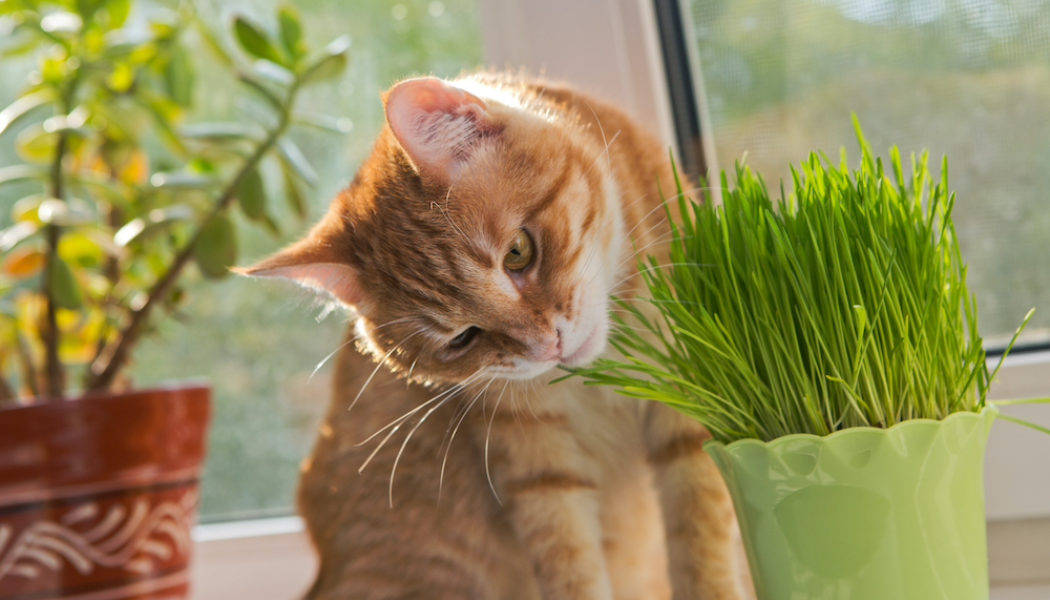
Catnip has a reputation for being the marijuana of the cat world. However, this may leave you to wonder how safe it is for your pet. You also might wonder how it works and if your furry friend can become addicted. General overview of catnip Catnip is a perennial herb that comes from the mint family. It is native to Asia, Europe, and Africa. It was brought to North America and easily spread from there. Today it can be found in gardens and yards — both planted on purpose, but also growing wild. The catnip plant, Nepeta cataria, contains an active ingredient — the volatile oil nepetalactone — that’ll affect your pet. It even changes the behaviour of some other species of cats besides domestic ones. Not all cats will experience behaviour changes from catnip. In fact, on...


Protecting your cat with home security alarm systems
Our cats may be smart, charming, and independent creatures, but all of us can agree that we always worry a little whenever we have to leave them at home for long periods of time. There’s always the risk that our beloved pets can be lost outside of the house or worse, get stolen. According to American Humane, approximately 10 million pets are lost or stolen in the United States each year. What’s even sadder is that lost cats have a much lower chance than dogs do of being with their pet parent again. So how do we keep our dearest cats safe at home when we can’t bring them with us? If you don’t have a fellow feline-loving friend who can babysit for you, you can make your house itself a secure place for your kitty. And there’s more to that than just having a spy c...


How to take care of an elderly cat
Once your beloved cat reaches senior age, you will need to make changes to his diet and physical activity. This should come as no surprise, since a senior cat’s nutrition and exercise requirements are far different from those of a young cat. At this time, health issues can start to emerge, so you need to be observant when it comes to your pet’s behaviour. When is a cat truly considered elderly? Generally, cats are considered senior from 11 years of age. According to Cats Protection, the later life stages for cats are: Seven to 10 years: Mature to middle-aged 11 to 14 years: Senior 15 years and older: Geriatric You should know what to expect at every life stage of a senior cat as some will become less active with age. As a result, they become couch potatoes and gain weight. Obesity is a hug...

5 tips to improve the life of your indoor cat
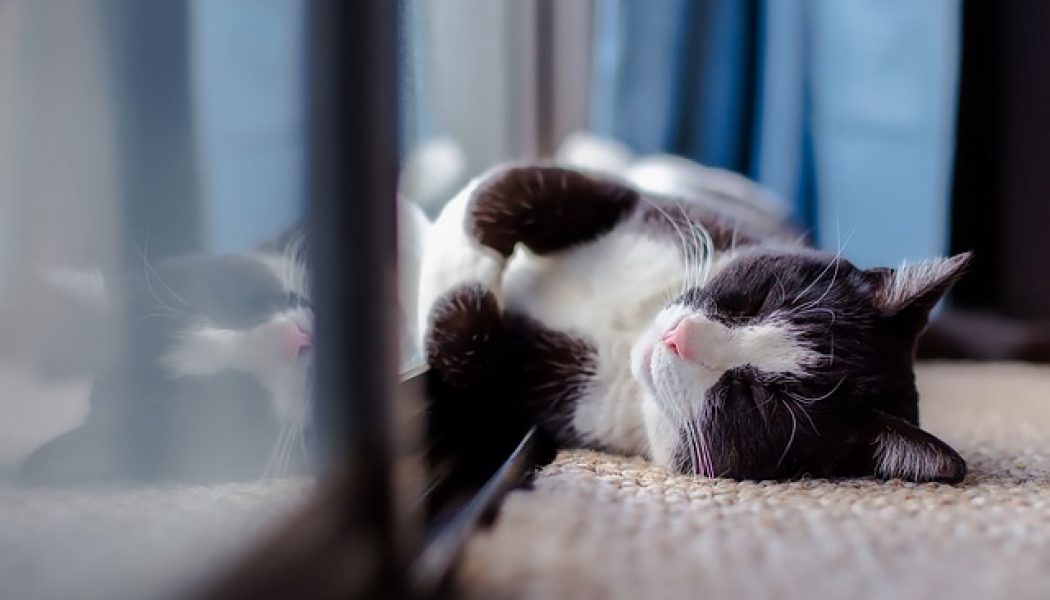
The average lifespan of pet cats varies, and some cats can live to 20 years or more. However, there is limited evidence that strictly indoor cats necessarily live longer than cats who are allowed to roam freely, or are kept as indoor-outdoor cats. Keeping cats indoors can limit the likelihood of them becoming hurt or sick from outside factors like parasites, illnesses or getting run over by cars. However, simply keeping your cat inside is not enough to ensure that it is living the highest quality of life. Here are some things you can do to greatly improve your cat’s indoor life: 1. Set aside some time to bond with your cat Cats can find ways to entertain themselves. Considering that they sleep most of the day (cats sleep 16 hours on average daily), most people end up neglecting their need ...


5 ways to bond with a new kitten
You’re bringing your new little kitten home with you and you can’t stop gushing about this new little furball that already fills your heart with love. You envision your future together and want the best for your kitten’s physical and emotional health, so what are your next steps to ensuring the best emotional bond between you and your new companion? Here are 5 simple ways to bond with your new kitten that will have lifelong positive effects for both of you! 1. Give your kitten a new name When you bring home a new kitten, one of the most exciting things is giving your cat a name. By giving your new kitten a name, you’re essentially telling the world that this is the name you’ve chosen and that you’re going to provide for this sweet new kitten. In some cultures, the naming ritual is a very s...

Common cat allergies and what to do about them
Anyone who has ever had an allergy knows they can make life miserable, and our feline companions are no different. Therefore, it is important to recognise the symptoms of your cat’s specific allergy so that you can take the appropriate steps to eliminate the allergen, or at least alleviate their symptoms. There is a wide range of allergens that can cause allergies in cats, but they can be divided into four categories. Flea allergies Flea allergies are very common in cats. While a normal cat experiences little to no discomfort from a flea bite, a cat that is allergic to fleas will have a severe reaction caused by a single flea bite. The main symptom of a flea allergy is intense itching which will likely cause your cat to scratch and bite the affected area to such an extent that it wil...


How clean is your cat: a guide to cat hygiene
Owning a cat is wonderful. Your kitty brings love and joy to your home and you simply can’t stop pampering your little ball of fur. However, considering that your beloved kitty has fur, you have to be prepared for dander, dirt and lots and lots of mess. Of course, keeping your home clean is important due to health hazards that can be dangerous both for you and your kitty. But have no fear, we are here to help. This guide will help you keep your home clean and your kitty healthy. Clean bed and bedclothes It’s normal to clean your bed and wash the bedclothes every ten to fourteen days. However, when you’re a cat owner you have to clean two beds. Every week you have to devote a part of your time to cleaning your beloved kitty’s bed. Why? Well, their beds collect just as much, if n...


Cats need a balanced diet too
Whoever called it “puppy eyes” clearly hasn’t seen a cat staring at them while they eat. The sad little meow, or even the violent glare of “how dare you not share food with me, human!” is not an easy thing to escape. And then they put their little paws on us and we just turn into mush and hand them whatever we were eating. A lot of cat owners are a little guilty of giving just a tad too many treats to their beloved pet, but even if you’ve learned some restraint, your cat could still benefit from a balanced diet and specially prepared meals for them. If you want to make sure your fluffy ball of cuteness is fit and healthy, we’ve got a few nutritional tips just for you. Protein and other necessary nutrients Cats need to eat meat. It’s absolutely essential for muscle development and stamina; ...
- 1
- 2